

About us
REIMAGINING CAMELID
BIOLOGY FOR NEXT-GENERATION THERAPEUTICS
We transform the extraordinary biology of camelids into advanced nanobody-based platforms designed to accelerate therapeutic discovery and unlock smarter, safer biologics.
Our story
TRANSFORMING UNIQUE EVOLUTIONARY TRAITS INTO PRACTICAL INNOVATION
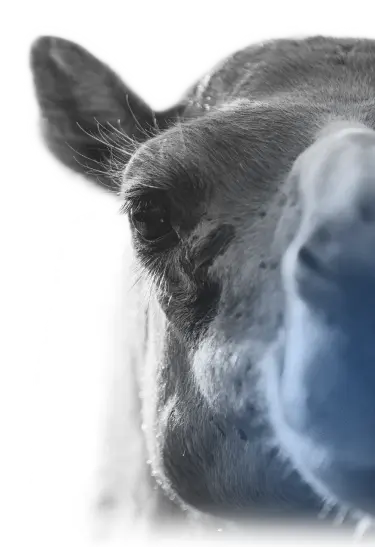
Camelids possess remarkable physiological adaptations: resilience to heat and dehydration, efficient metabolism, and a truly distinctive immune system. At the center of this system lies a rare form of heavy-chain-only antibodies — the foundation of nanobodies.

Explore the platform
Nanobody design
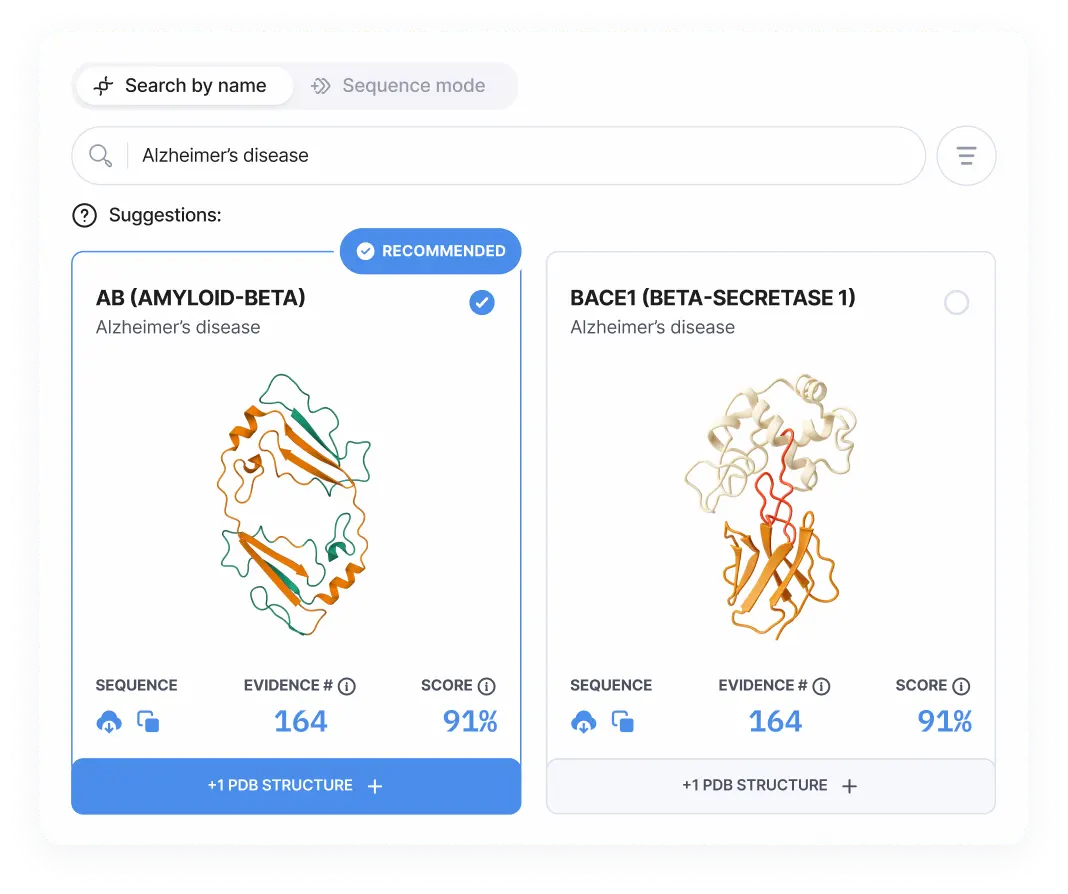
Target Selection & Epitope Discovery
Epitope-Driven Nanobody Design
Automated Therapeutic Profiling
Candidate Selection for Experimental Validation
Users start by selecting a known protein target or entering a custom amino-acid sequence. The platform automatically analyzes the sequence using B-cell epitope prediction to identify potential binding regions and rank them by confidence and position.
Outcome
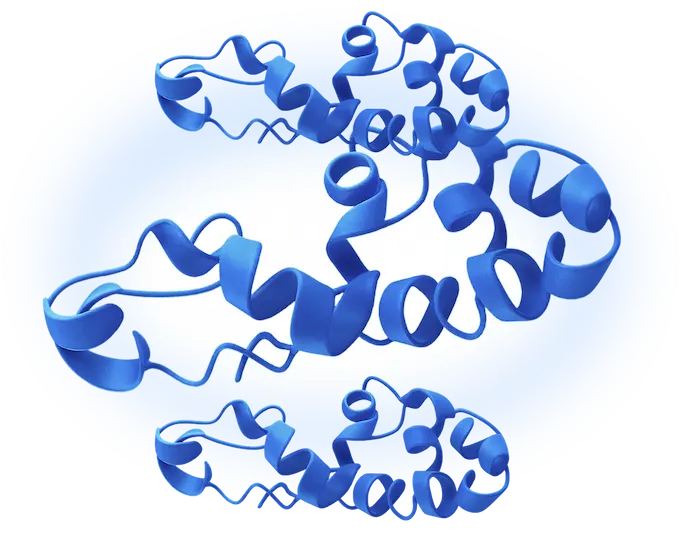
A ranked and annotated nanobody set with decision-ready profiling data.


Our approach